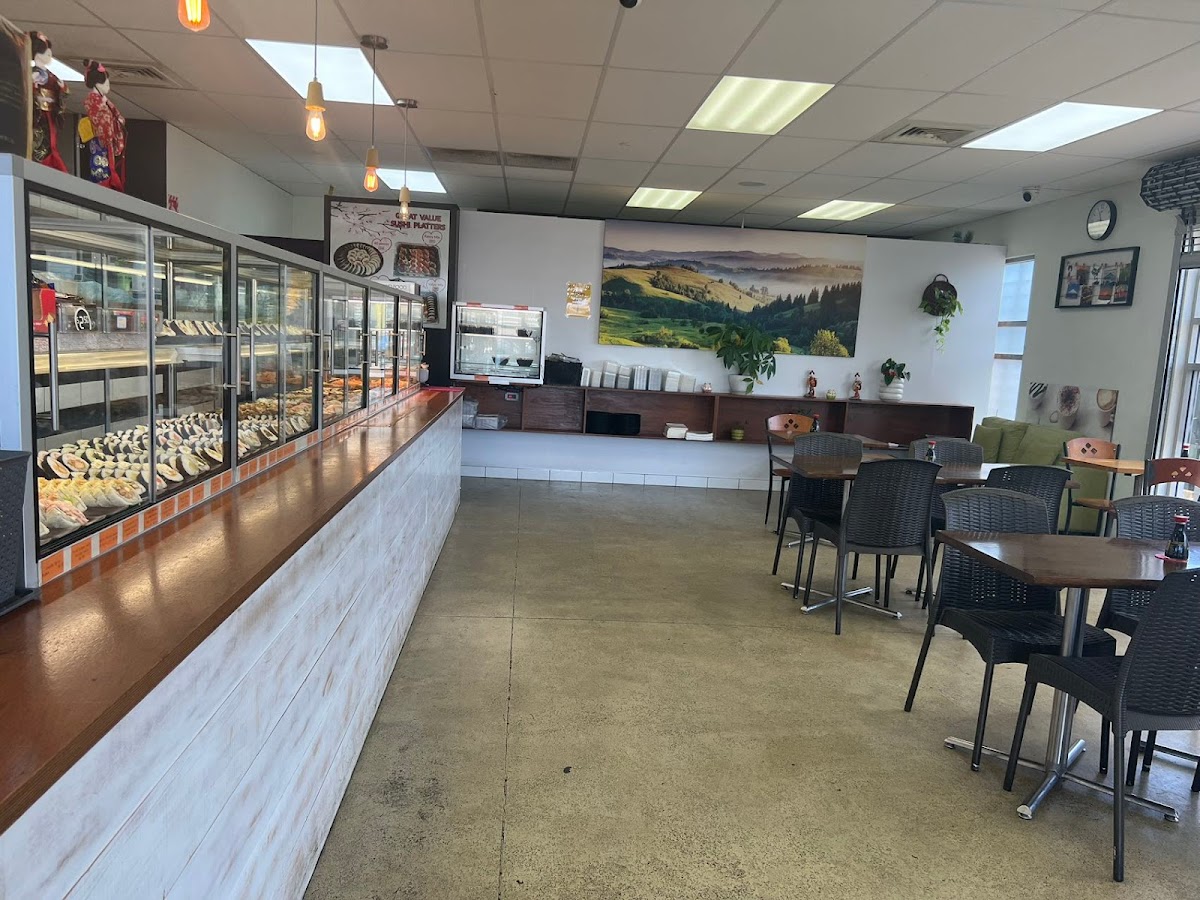
Discover Shokudo Marunaka
If you ever find yourself driving along the Sea of Japan coastline and pass through 9772-23 Teradomarishimoaramachi, Nagaoka, Niigata 940-2502, Japan, make sure you slow down and step into Shokudo Marunaka. I’ve stopped here more than once during seafood-hunting trips around Teradomari, and every visit has felt like uncovering a local secret that regulars have known for decades.
The first thing you notice isn’t flashy décor or a polished tourist setup. Instead, it’s the comforting hum of a neighborhood diner-fishermen chatting over lunch, families sharing set meals, and the steady rhythm of dishes coming out of the kitchen. Teradomari is often called a seafood hub in Niigata Prefecture, and according to data from Japan’s Ministry of Agriculture, Forestry and Fisheries, Niigata ranks among the top regions for coastal fisheries production on the Sea of Japan side. That context matters, because here the menu reflects the catch of the day in a way that feels honest and direct.
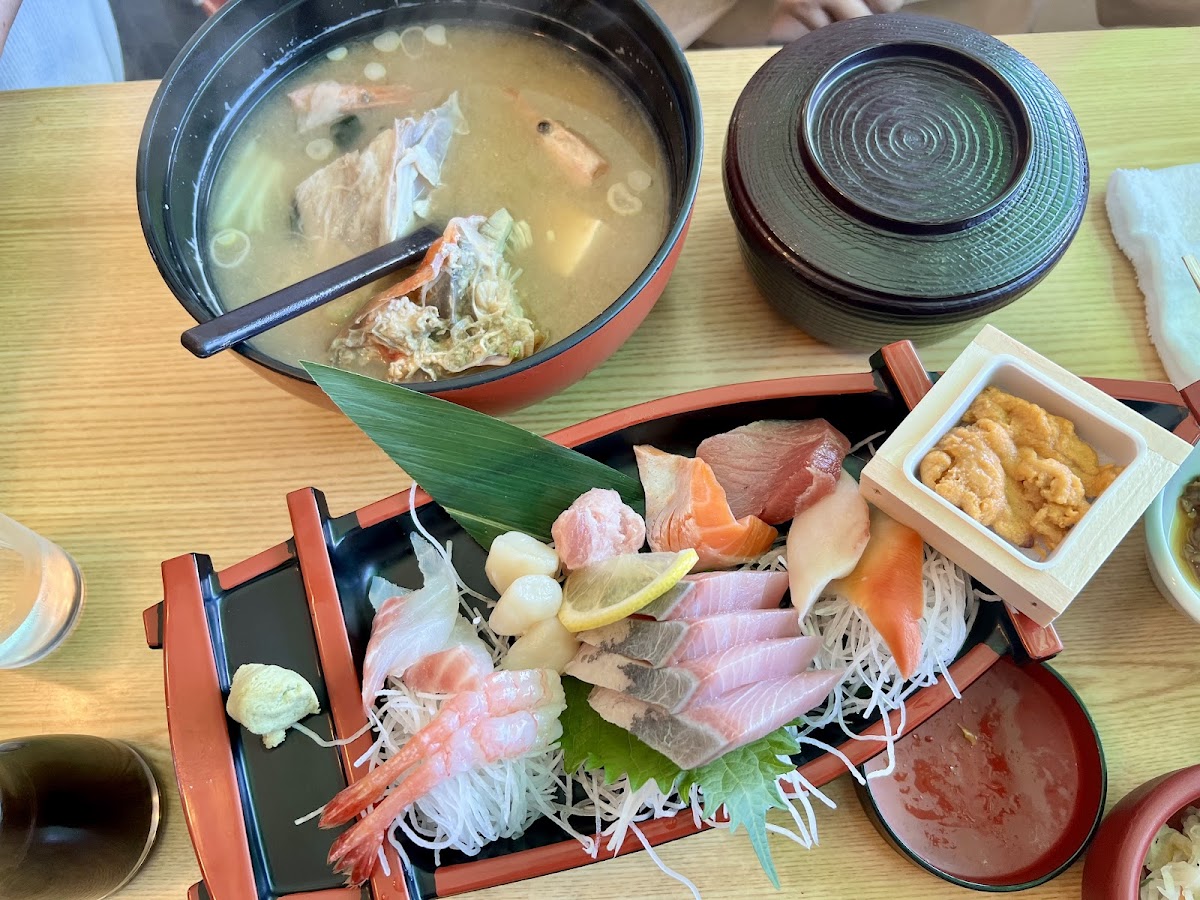
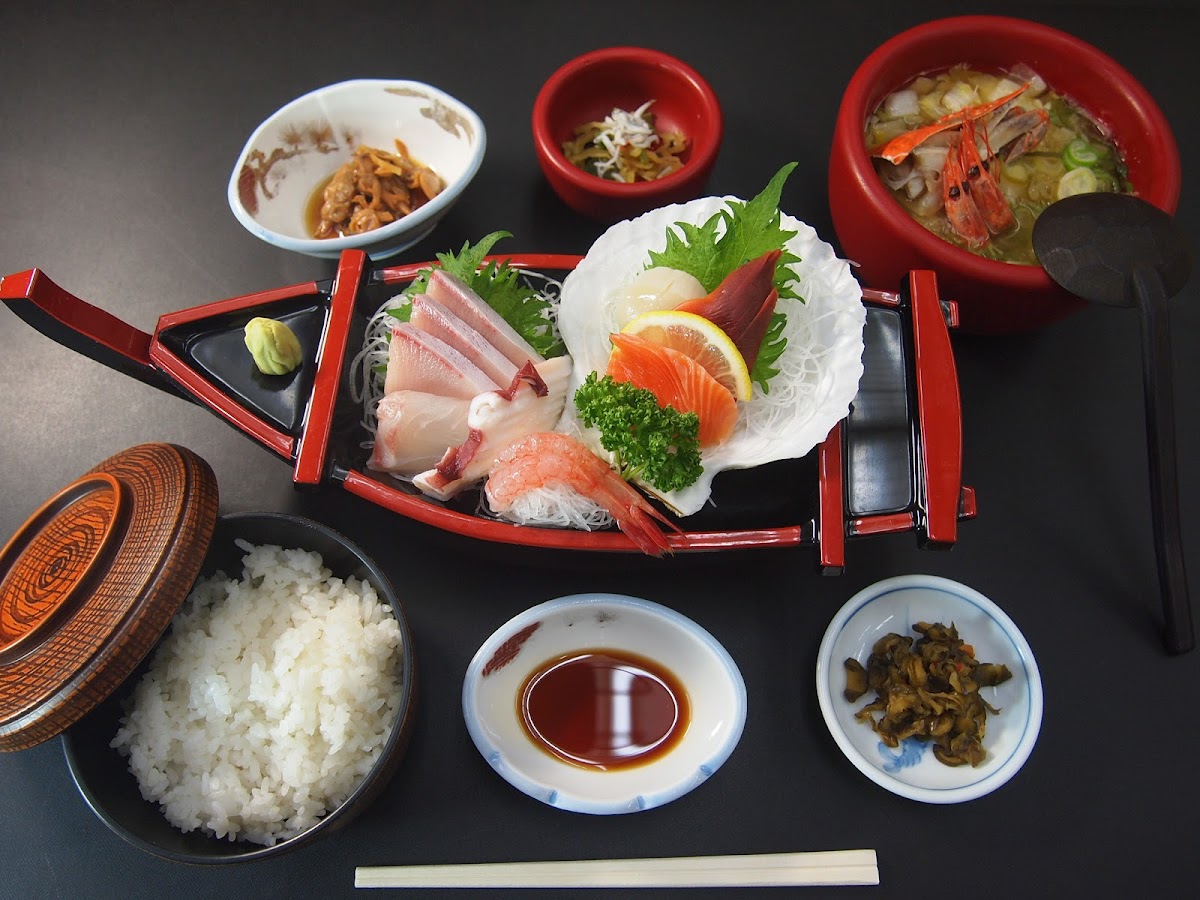
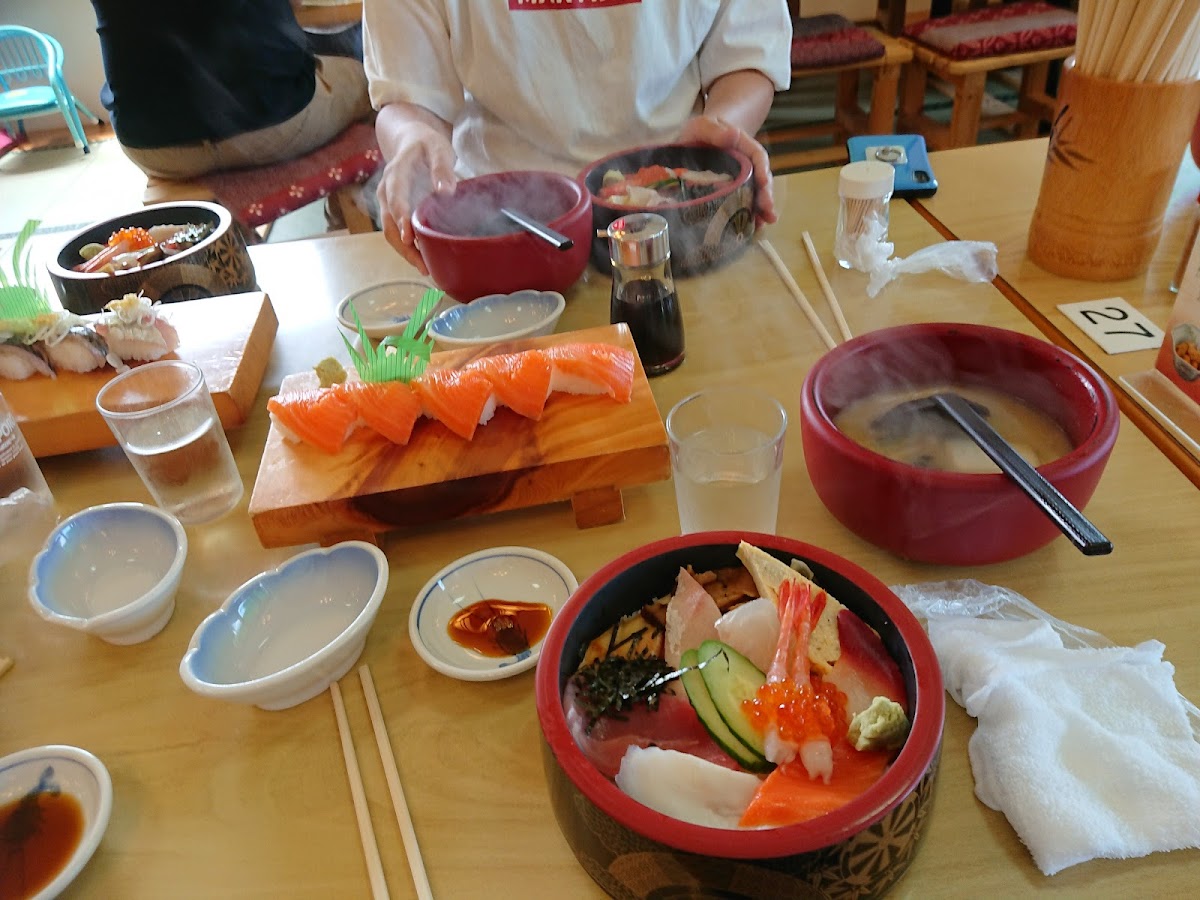
On my first visit, I ordered a sashimi teishoku after noticing the handwritten board listing the morning’s arrivals. The slices of yellowtail and sweet shrimp were firm, glossy, and clean-tasting. You can tell when fish has been handled properly-the texture springs back slightly, and there’s no lingering aftertaste. That level of freshness doesn’t happen by accident. In many small Japanese diners, fish is sourced either directly from nearby markets or trusted wholesalers, and it’s stored at precise low temperatures to preserve umami without freezing the flesh. The result is balanced flavor rather than overpowering brininess.
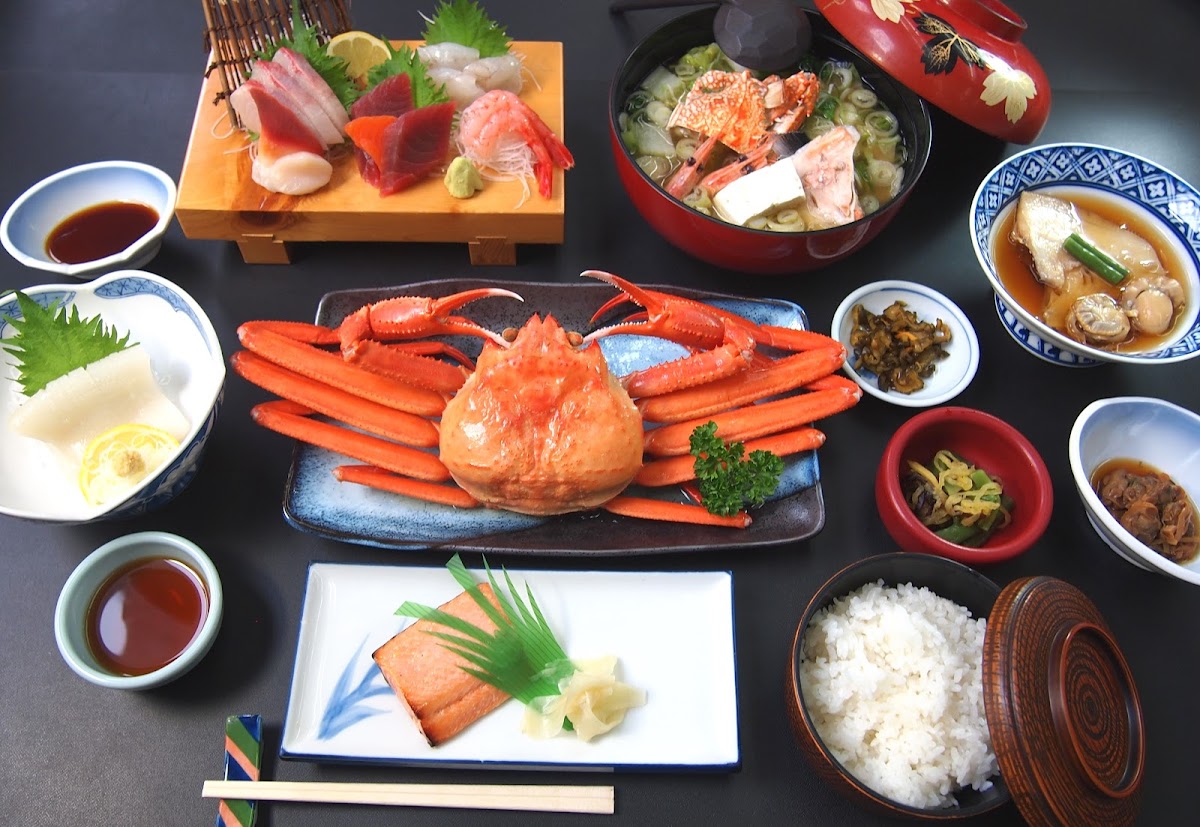
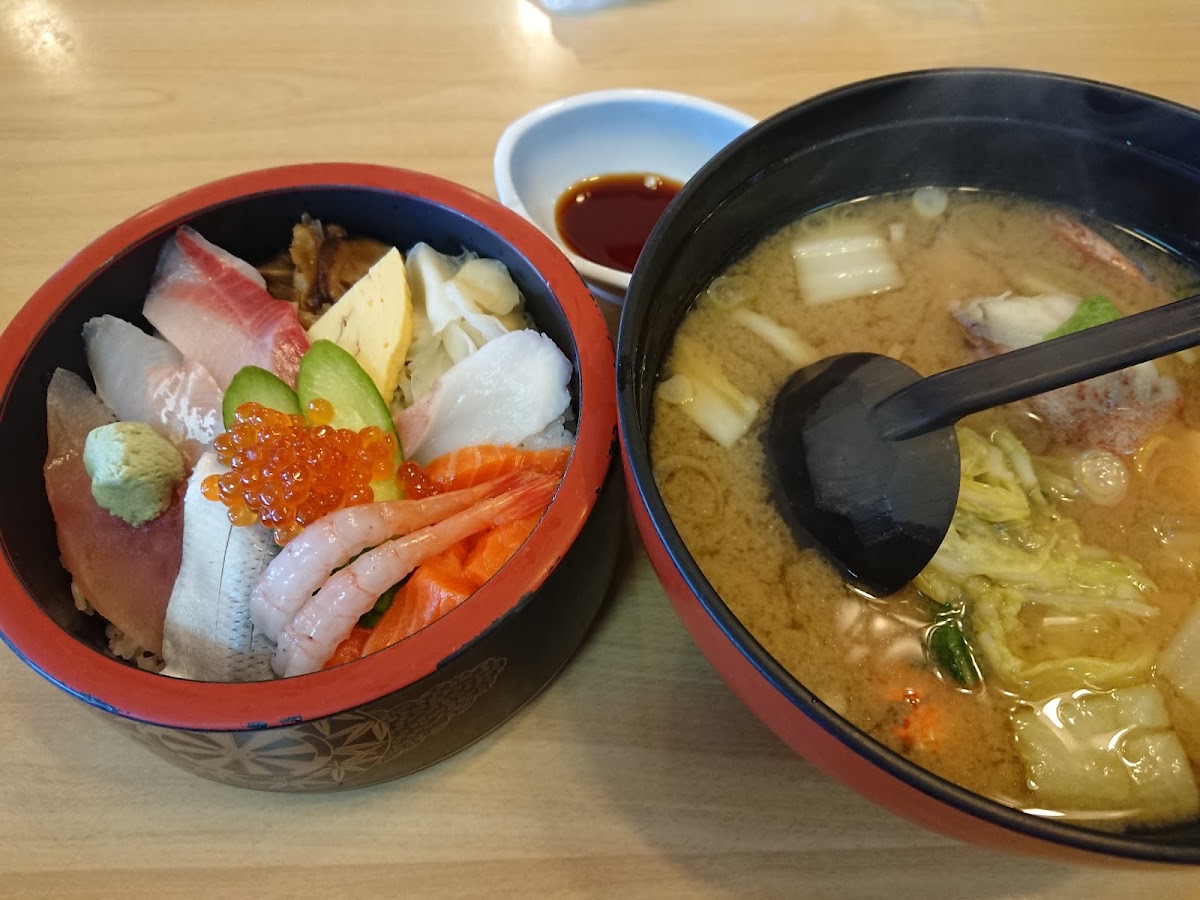
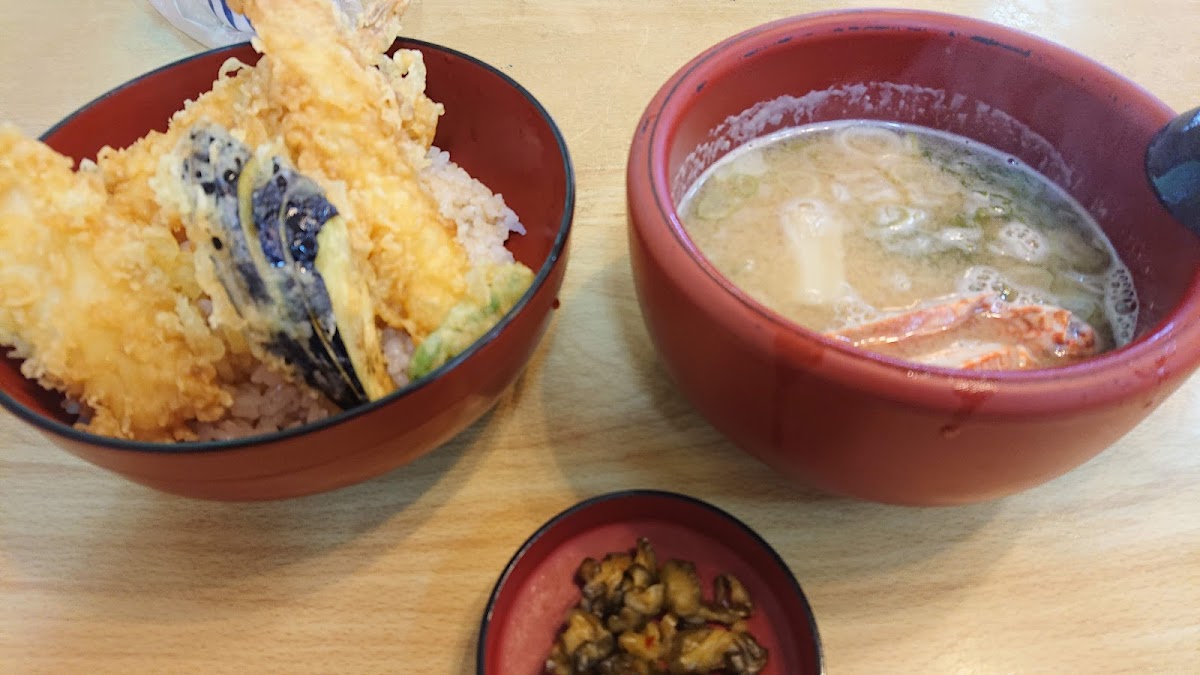
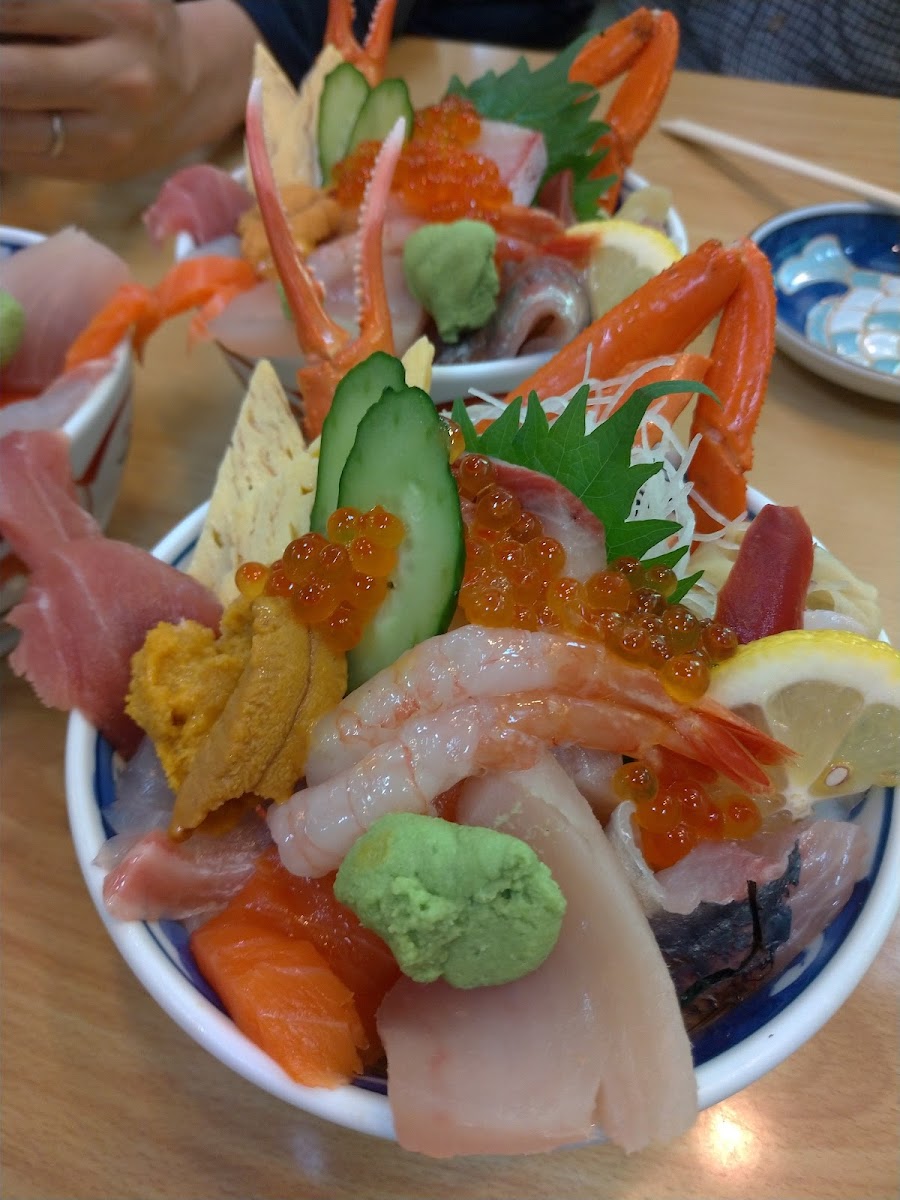
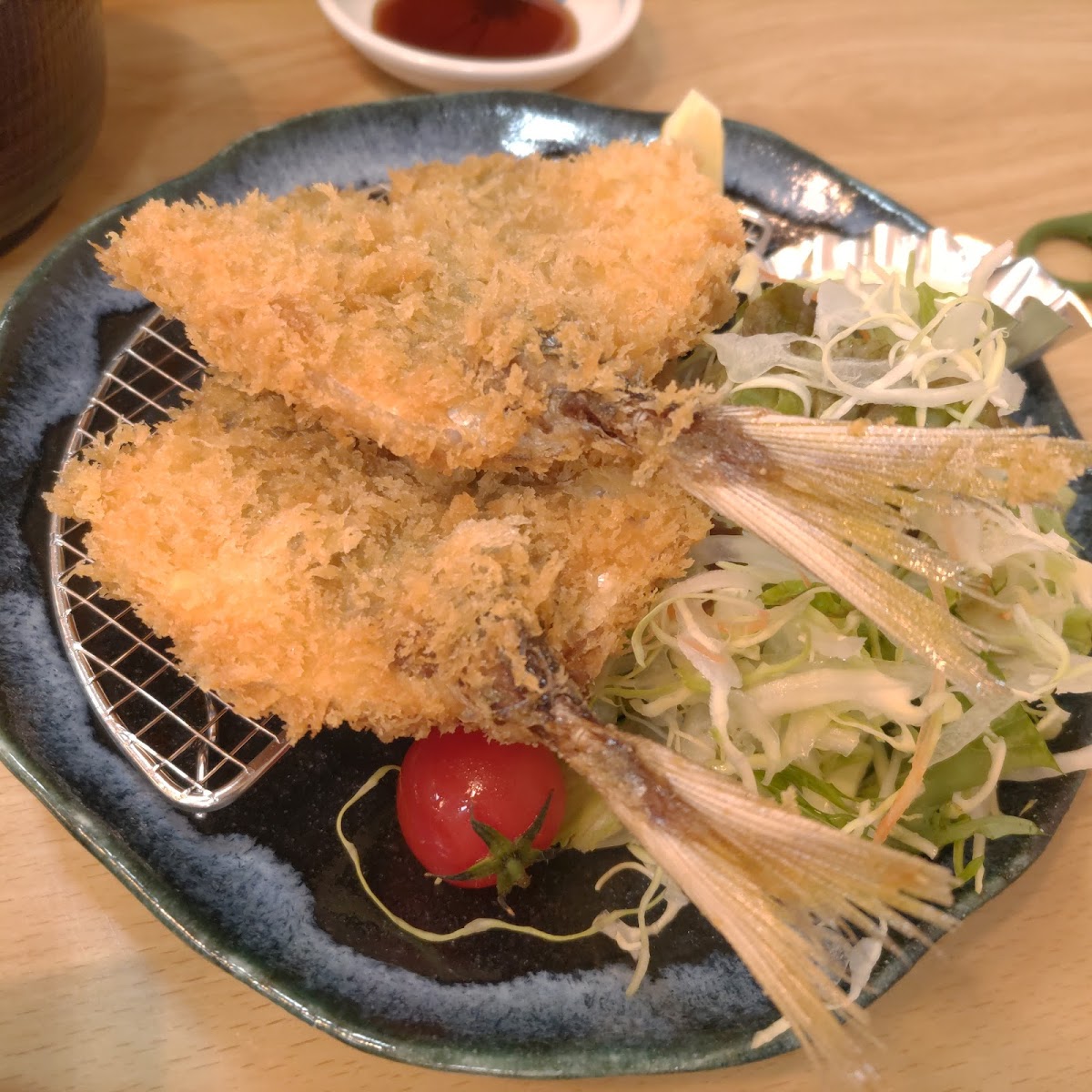
Beyond sashimi, the menu covers a wide range of comforting classics. Think grilled mackerel, tempura plates, miso soup rich with dashi, and hearty rice bowls topped with seafood. During a winter visit, I tried a crab miso soup that locals at the next table insisted was a must. They weren’t exaggerating. The broth was deep and slightly sweet, layered with the natural richness that only comes from simmering fresh shells. The World Health Organization has long highlighted the benefits of diets rich in fish, particularly for omega-3 fatty acids, and meals like this make it easy to see why Japan’s coastal communities are known for longevity.
What stands out in reviews-both in casual conversations and online-is consistency. A retired teacher I met there told me she had been coming for over 20 years, bringing visiting relatives to show them what real Teradomari seafood tastes like. That kind of long-term loyalty says more than any advertisement could. It reflects stable sourcing, reliable preparation methods, and a kitchen that understands its identity.
The dining process itself is refreshingly straightforward. You sit, browse the menu posted on the wall or handed to you at the table, and choose from set meals that bundle rice, soup, pickles, and a main dish. This teishoku style isn’t just tradition; it’s nutritionally balanced. Rice provides carbohydrates, fish offers protein and healthy fats, while pickled vegetables aid digestion. The Japanese Dietary Guidelines, issued by the Ministry of Health, Labour and Welfare, emphasize variety and portion balance-something this format naturally achieves.
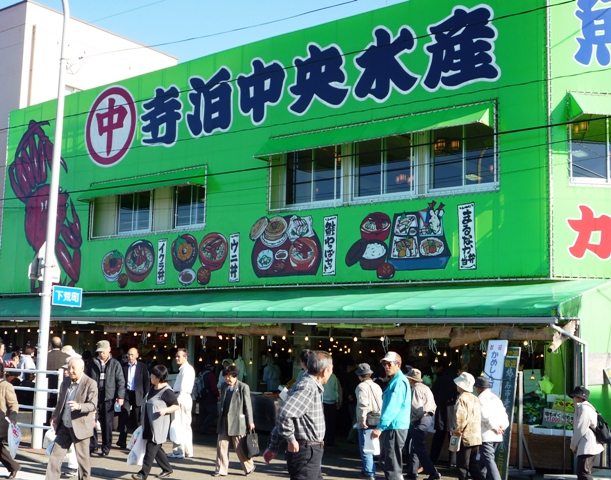
Location plays a huge role in the experience. Teradomari is known for its fish market street, and many visitors plan their stop around seafood shopping. Shokudo Marunaka fits seamlessly into that routine. You browse the market, admire the day’s catch, and then sit down for a meal that likely features similar ingredients. It creates a closed loop between producer and plate that feels authentic rather than staged.
Of course, it’s not a luxury restaurant. If you’re expecting fine dining presentation or multilingual staff, you might find it simple. But that simplicity is part of its appeal. The flavors are direct, the service is warm but efficient, and the portions are satisfying without being excessive. Prices are reasonable considering the quality of the seafood, especially compared to big-city sushi counters.
In a region celebrated for rice cultivation and sake brewing as well, pairing your meal with a local Niigata sake deepens the experience. The clean, crisp profile of regional sake complements grilled fish beautifully, enhancing rather than masking delicate flavors.
After several visits across different seasons, I’ve come to see this diner as a reliable benchmark for coastal Japanese comfort food. It’s not trying to reinvent tradition; it’s preserving it. And in a food landscape where trends change quickly, that steady commitment to freshness and balance feels both grounding and genuinely satisfying.